Environmental Benefits
- Estimated 77% reduction in sulfur oxide ships
- Better air quality near major trade ports
- Increased industry focus on green technology
Loading

Nullam dignissim, ante scelerisque the is euismod fermentum odio sem semper the is erat, a feugiat leo urna eget eros. Duis Aenean a imperdiet risus.


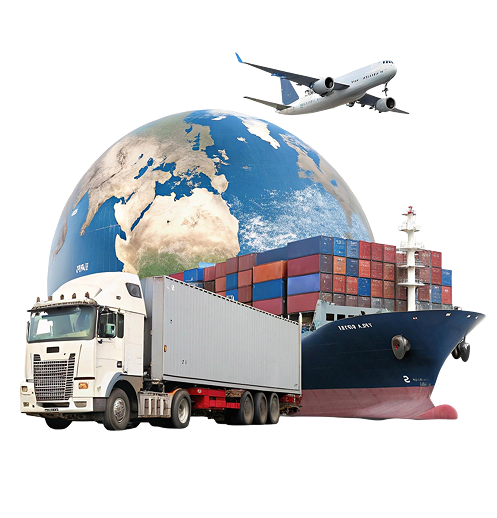

The Bill of Lading (B/L) is one of the most important documents in ocean freight shipping. It serves as a receipt of goods, a contract of carriage, and a title of ownership all in one.
Our team of UI/UX experts conducts a thorough evaluation o the submitted element, analyzing its usability, functionality
Ocean freight is essential to global trade, but traditional marine fuels produced high sulfur oxide emissions, contributing to air pollution, acid rain, and respiratory issues. IMO 2020 aimed to:
Most carriers switched to compliant LSFO, which costs more but meets the regulation.
Some ships installed exhaust gas cleaning systems (scrubbers) to continue using high-sulfur fuel oil legally.
The higher price of LSFO led to fuel surcharges passed on to shippers.
Carriers had to overhaul fuel procurement, storage, and handling practices.


The IMO 2020 regulation reshaped how carriers operate, pushing the industry toward cleaner, more efficient shipping. While costs increased, the long-term environmental and health benefits make this a vital step in the evolution of global ocean freight.

03 Comments
Frank Flores
Neque porro est qui dolorem ipsum quia quaed inventor veritatis et quasi architecto var sed efficitur turpis gilla sed sit amet finibus eros. Lorem Ipsum is simply dummy
Charlie Tushar
Neque porro est qui dolorem ipsum quia quaed inventor veritatis et quasi architecto var sed efficitur turpis gilla sed sit amet finibus eros. Lorem Ipsum is simply dummy
Fatma Sariqul
Neque porro est qui dolorem ipsum quia quaed inventor veritatis et quasi architecto var sed efficitur turpis gilla sed sit amet finibus eros. Lorem Ipsum is simply dummy